
Graphic design is everywhere we look—from the logos on our devices to the billboards on our streets. But this ubiquitous art form has a rich history that spans thousands of years, evolving from primitive cave paintings to sophisticated digital interfaces.
 A comprehensive timeline showing the evolution of graphic design through the ages
Ancient Beginnings: Visual Communication Takes Root
The story of graphic design begins long before the term was ever coined. Early humans used visual symbols to communicate ideas and tell stories:
- Cave Paintings (40,000 BC): The Lascaux cave paintings in France represent some of humanity's earliest attempts at visual storytelling
- Egyptian Hieroglyphs (3200 BC): Complex symbol systems combined images and phonetic elements to record history and religious texts
- Illuminated Manuscripts (400-1400 AD): Medieval monks created elaborate hand-illustrated books, combining typography and illustration
The Printing Press Revolution (c. 1440)
Johannes Gutenberg's invention of the movable-type printing press fundamentally changed visual communication. For the first time, information could be mass-produced, leading to:
- Standardized typography and letterforms
- The rise of printed books and newspapers
- Increased literacy and knowledge sharing
- Early experiments with page layout and composition
 Visual timeline showcasing major milestones in graphic design history
The Birth of Modern Advertising (19th Century)
The Industrial Revolution brought new technologies and consumer goods, creating demand for eye-catching advertisements:
- Lithography enabled color printing and elaborate poster designs
- Art Nouveau posters by artists like Alphonse Mucha blended art and commerce
- Brands began developing recognizable visual identities
- Typography became more expressive and experimental
The Bauhaus Movement (1919-1933)
The German Bauhaus school revolutionized design education and philosophy:
- Emphasized "form follows function" principles
- Integrated art, craft, and technology
- Pioneered grid-based layouts and sans-serif typography
- Influenced modern minimalist design aesthetics
Defining the Term (1922)
William Addison Dwiggins, a book designer and typographer, first coined the term "graphic design" in 1922. This marked the field's recognition as a distinct profession, separate from fine art and commercial art.
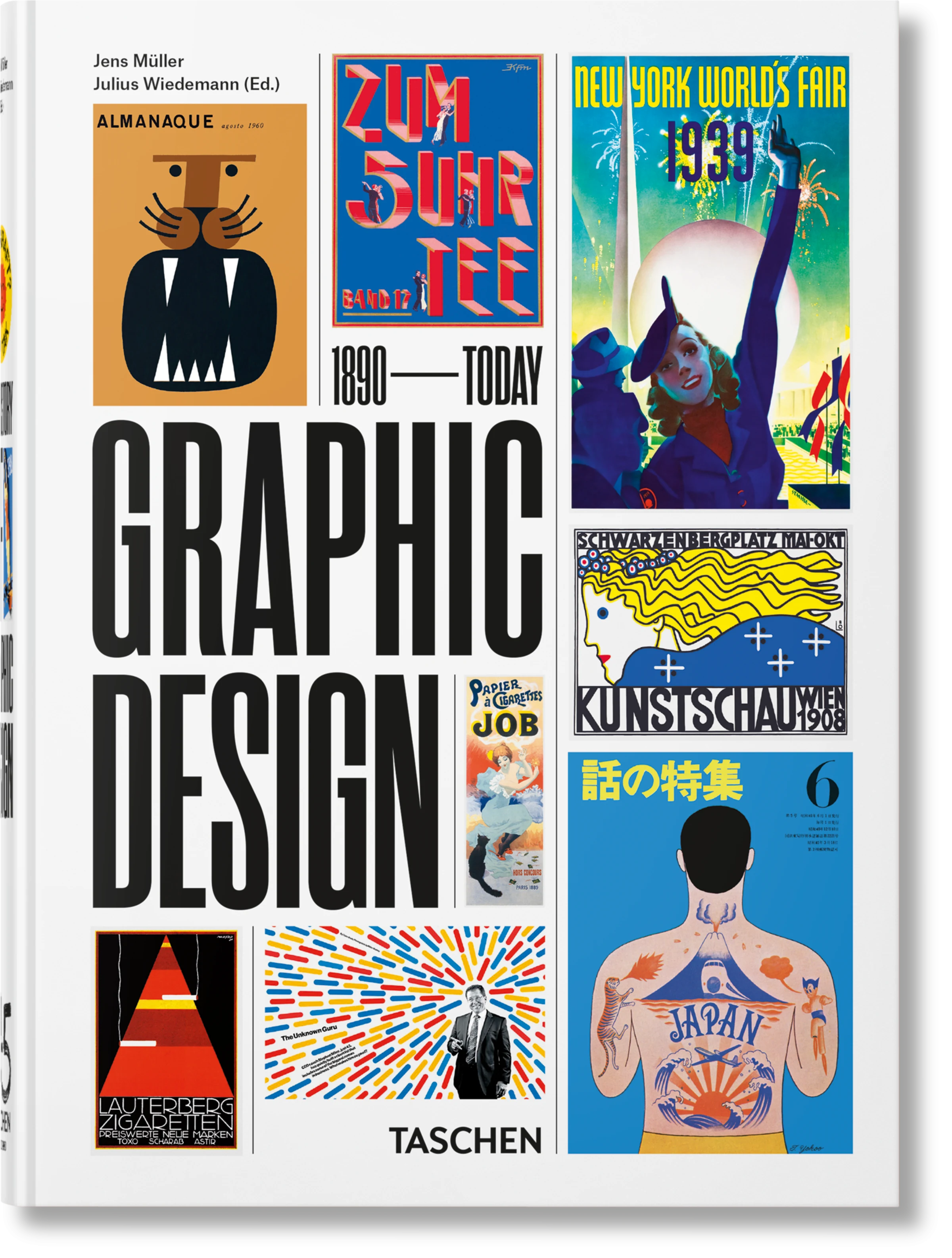 Modern design publications continue to document and celebrate the rich history of graphic design
The Digital Revolution (1980s-Present)
The introduction of desktop publishing transformed graphic design forever:
- 1984: Apple Macintosh made design tools accessible to everyone
- 1985: Adobe PostScript and PageMaker enabled professional-quality desktop publishing
- 1990s: The internet created new design challenges and opportunities
- 2000s-Present: Digital tools like Adobe Creative Suite, Figma, and AI-powered design assistants continue to evolve the field
Key Milestones That Shaped Design
As illustrated in the historical timeline above, several pivotal moments defined graphic design:
The Printing Press Era (1440-1800s)
- Mass production of visual materials
- Standardization of typefaces
- Birth of the publishing industry
Industrial Age Innovation (1800s-1900s)
- Color lithography and poster art
- Photography integration
- Corporate identity development
Modernist Movement (1900s-1950s)
- Bauhaus influence on clean, functional design
- Swiss typography and grid systems
- International Typographic Style
Digital Transformation (1980s-Present)
- Desktop publishing revolution
- Web design emergence
- Mobile-first design principles
The Modern Era: Design at Scale
Today's graphic designers work across countless mediums:
- Digital Interfaces: Websites, apps, and interactive experiences
- Motion Graphics: Animation and video content
- Social Media: Platform-specific content and brand storytelling
- AI-Assisted Design: Tools that augment human creativity with machine intelligence
Looking Forward
As we move further into the digital age, graphic design continues to evolve. Virtual reality, augmented reality, and AI are opening new frontiers for visual communication. Yet the fundamental principles remain: clear communication, aesthetic appeal, and the power to evoke emotion through visual storytelling.
Lessons from Design History
Studying the evolution of graphic design reveals several enduring principles:
- Technology drives innovation: From the printing press to digital tools, new technologies consistently reshape design possibilities
- Function and beauty coexist: The best designs balance aesthetic appeal with practical communication needs
- Cultural context matters: Design reflects and influences the society in which it's created
- Simplicity endures: Clean, clear communication transcends trends and time periods
Conclusion
From ancient cave walls to smartphone screens, graphic design has been humanity's companion in communication and expression. Understanding this rich history helps us appreciate not just where design has been, but where it's heading. As technology advances, one thing remains constant: the human need to communicate visually, tell stories, and create meaningful connections through design.
Whether you're a designer, business owner, or simply someone who appreciates good design, understanding this evolution helps us recognize the craft and creativity that shapes our visual world every day. The timeline of graphic design shows us that while tools and techniques may change, the fundamental human desire to communicate through visual means remains as strong as ever.
Ready to create your own piece of design history? Contact DSNOUSE to discuss how we can help bring your visual communication goals to life.